Organization Systems
Chronological Organization
Arrange items by release date or acquisition date. Ideal for collections where historical progression matters. Each item is cataloged with precise dating information for accurate placement.
Genre Classification
Group items by musical genre, film category, or media type. Sub-categories allow for detailed organization within broader classifications. Perfect for diverse collections spanning multiple styles.
Cataloging Approaches
Label-Based System
Organize by record label, production company, or distributor. Useful for collectors focused on specific labels or tracking label-specific releases and variations.
BPM Organization
For DJ collections, organize by beats per minute. This system enables quick selection for mixing and performance purposes while maintaining full metadata documentation.
Artist/Performer System
Alphabetical organization by artist or performer name. Cross-referenced with featured artists and collaborators for comprehensive access to all related works.
Comparison: Before and After
Transformation Process
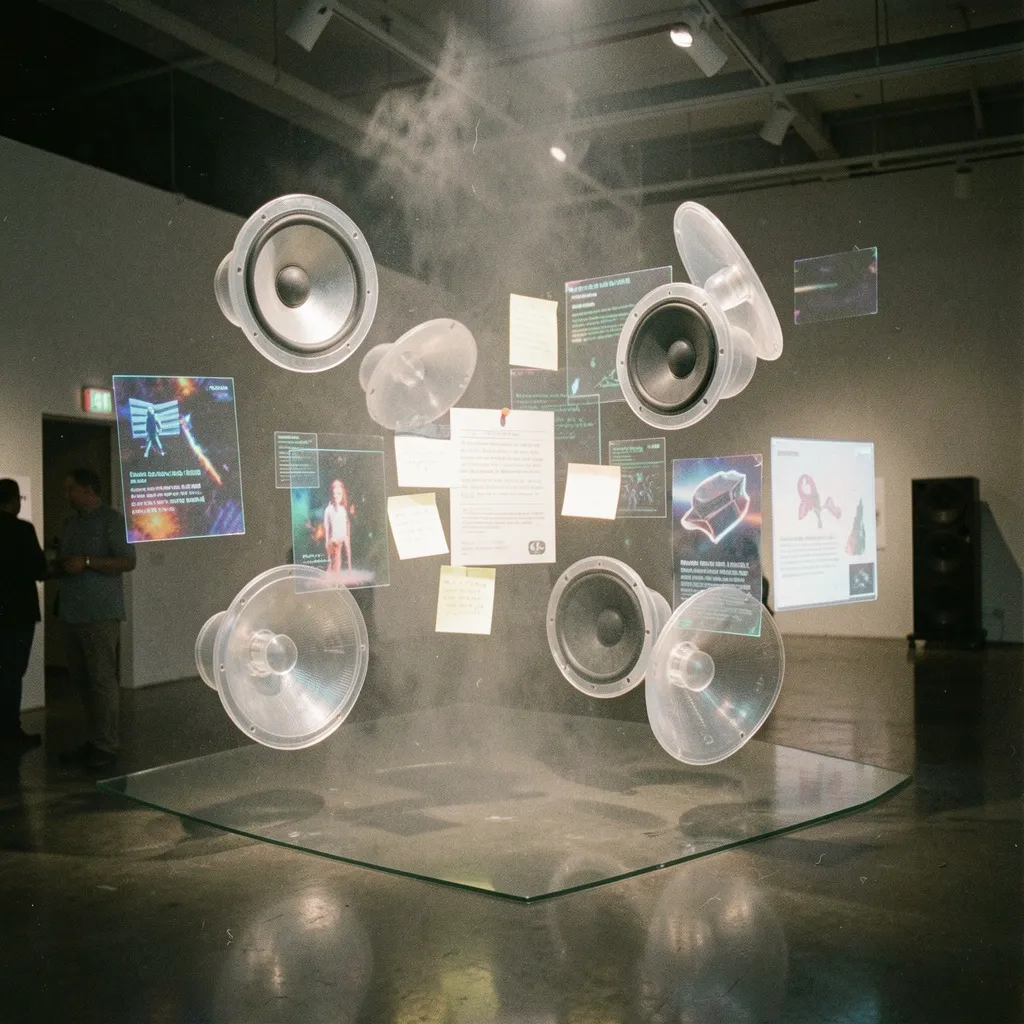
Unorganized collections present challenges: items are difficult to locate, condition assessment is inconsistent, and there's no systematic record of holdings. Our methodology transforms this into a structured archive.
After organization, every item has a designated location, complete documentation, and digital record. The physical collection mirrors the digital inventory, creating a seamless system for access and management.
Custom Taxonomy Options
Hybrid Systems
Combine multiple organization methods. For example, organize by genre first, then chronologically within each genre. Our flexible approach accommodates complex collection structures.
Project-Based Organization
Group items by project, series, or collection theme. Ideal for archives containing related works, soundtracks, or thematic compilations that benefit from contextual grouping.